Introduction to Cryptocurrency
Cryptocurrency is a form of digital money that uses blockchain technology and cryptographic techniques to enable peer-to-peer transactions without the need for a central authority.
Cryptocurrency
The first cryptocurrency, Bitcoin, was introduced in 2009 by an anonymous person or group known as Satoshi Nakamoto. Since then, .the world of digital currencies has evolved into a massive industry, valued in the trillions of dollars.
These currencies are decentralized, meaning no single institution governs them.
Blockchain
- Blockchain is the foundational technology behind most cryptocurrencies.
- It’s a decentralized, distributed ledger that records all transactions across a network of computers.
- Each block contains a list of transactions, a timestamp, and a reference to the previous block, forming a continuous chain. Once data is added,
- it cannot be changed, making blockchain immutable and secure.
- Transactions are verified using consensus algorithms like Proof of Work (used in Bitcoin) or Proof of Stake (used in Ethereum 2.0), ensuring integrity and trust without needing a central authority.
Types of Cryptocurrencies
There are around 12 million cryptocurrencies exist today,
12 million cryptocurrencies exist today, each serving different purposes. Bitcoin (BTC) is widely considered a store of value—often referred to as “digital gold.” Ethereum (ETH) introduced the concept of smart contracts and decentralized applications. Other coins like Binance Coin (BNB), Cardano (ADA), Solana (SOL), and XRP have unique functions within their ecosystems.

There are also meme coins like Dogecoin and Shiba Inu, which gained popularity through online communities and social media hype. Each token operates on its own blockchain or rides on top of another chain, using established standards like ERC-20 for Ethereum-based tokens.
Crypto as an Investment Asset
Cryptocurrencies have become popular as alternative investment vehicles. They offer the potential for high returns, but with equally high risk. Institutional investors, retail traders, and even pension funds have entered the crypto space, seeking to diversify portfolios.
Crypto Wallets and Storage
Cryptocurrency is stored in digital wallets, which can be categorized as hot or cold wallets. Hot wallets are connected to the internet and include mobile apps like Trust Wallet or browser extensions like MetaMask.
online crypto wallet
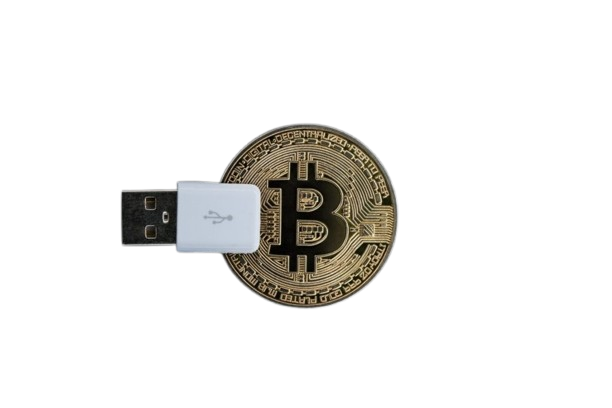
Cold wallet
The Role of Decentralization
One of the defining features of cryptocurrency is decentralization. Traditional financial systems rely on banks, central banks, and governments to control money. In contrast, cryptocurrencies are governed by code and run on peer-to-peer networks. This decentralization increases accessibility, particularly in regions with limited banking infrastructure. It also makes censorship nearly impossible. However, it comes with its own challenges, including scalability issues and regulatory scrutiny.
Pre-listing buying in just on click
Buying a coin during its prelisting phase allows investors to get in early at low prices before the token gains traction and potentially launches on larger exchanges, offering high-risk, high-reward opportunities in a fast-moving market.
Crypto Whales
In the world of cryptocurrency, a “whale” refers to a wallet or entity that holds a significantly large amount of a particular cryptocurrency. For Bitcoin, anyone holding more than 1,000 BTC is typically classified as a whale.